

Healthcare companies are drowning in a “sea of sameness,” says veteran comms pro
Tori Barnes is a healthcare communications and brand marketing consultant
I recently held a workshop with over 50 health tech leaders on the value of storytelling in the age of AI. As homework, I asked each participant to submit a short video talking about their company. No polish, just a short form, off the cuff, 30-second video.
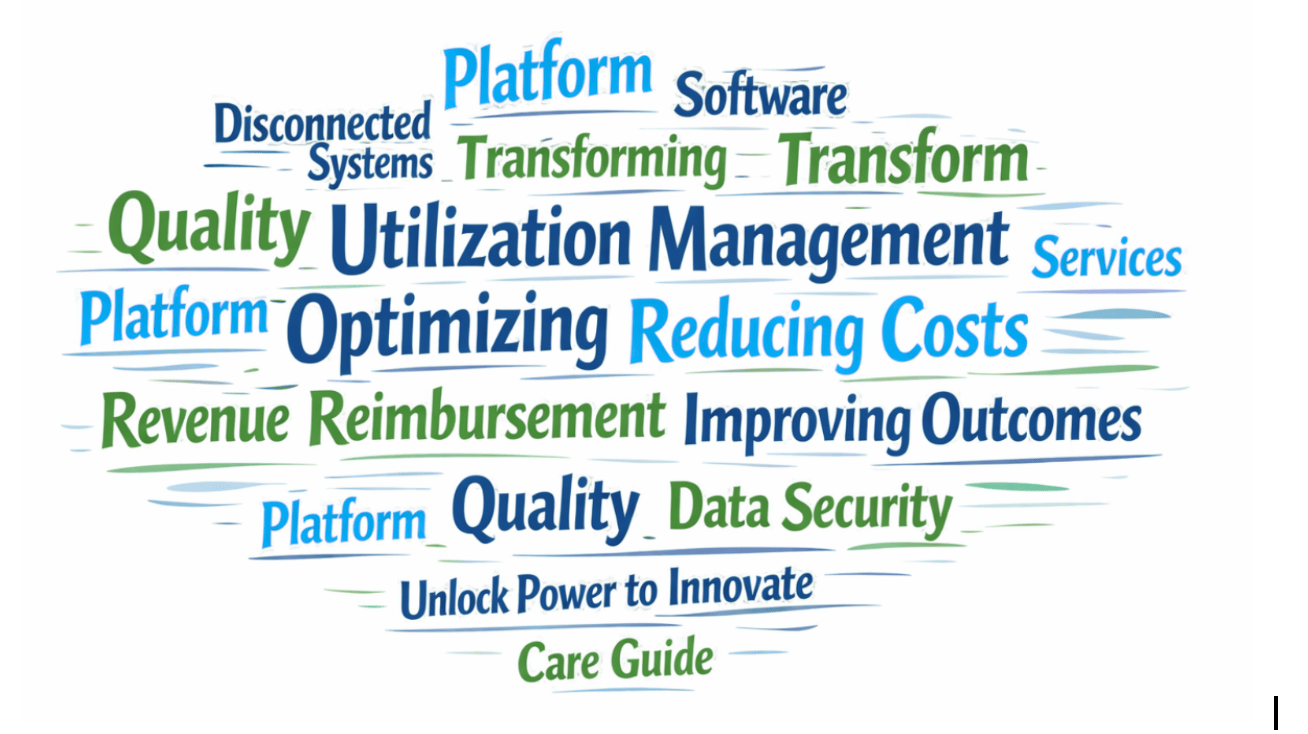
The exercise was a near flop. Only two submissions came in by the deadline. By the time I managed to get a quorum, here was the result:
Despite the variety of business models, products, services and go-to-market strategies represented in the room, everyone’s description sounded just about the same. And if you’ve been around the healthcare block, this isn’t foreign. Take a walk around the HLTH or HIMSS show floor. Scan through your LinkedIn feed. Every company is innovative and transforming healthcare. We’re all leveraging AI to improve outcomes. And we’re definitely all thrilled about our newest utilization management tool and AI-driven revenue cycle management
I've been obsessed with healthcare communications for the better part of two decades, most recently leading communications at Headspace before hanging my own shingle. I've helped brands and leaders navigate their most visible moments, from funding rounds to product launches, broadcast interviews, events and marketing campaigns. The through-line across all of it has been the same problem: we’re drowning in a "sea of sameness." This isn't new to healthcare – we've all been competing against the same thesaurus for some time. But AI has poured gasoline on it, making it far too easy to create polished, jargon-heavy content.
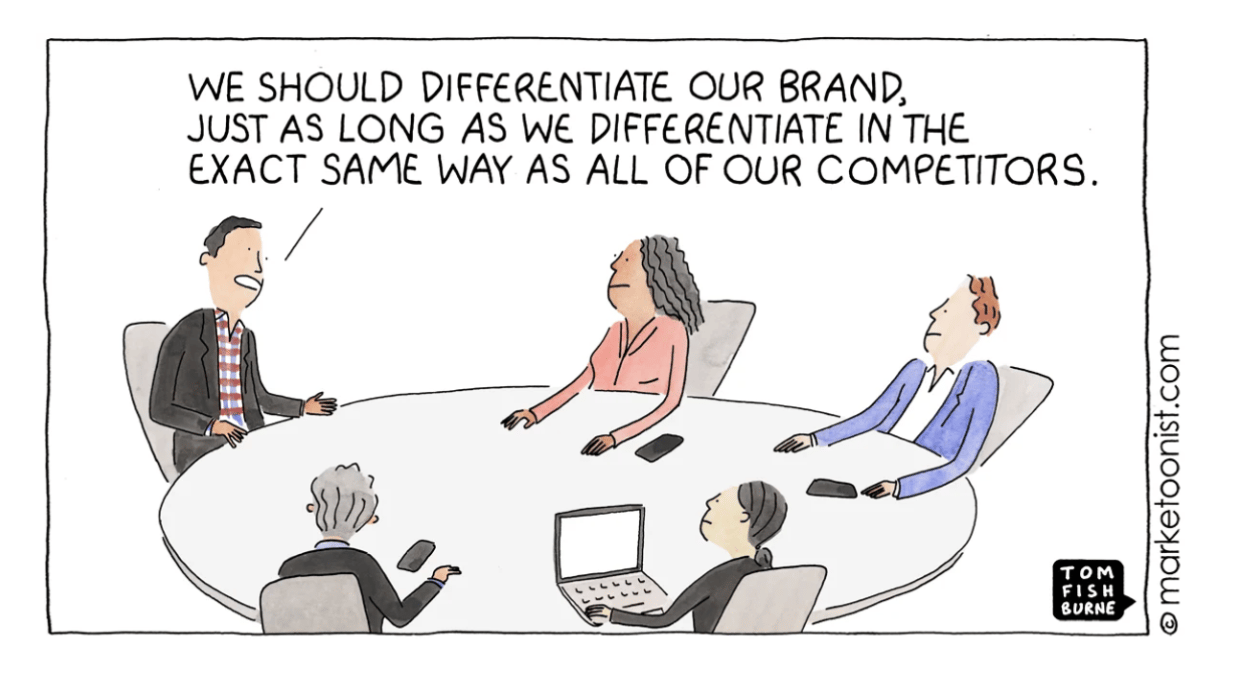
The companies that win in healthcare aren't always the ones with the best product. They're the ones that tell the clearest story about why they matter. In an AI-flooded market, a strong story may be the most defensible advantage a healthcare company has left.
Reserve Your Spot for Upcoming Webinars!
The stakes, across every audience
The appetite for real, human-driven content has never been higher across all of the audiences leaders should care about:
- B2B buyers - 64% of buyers trust thought leadership more than traditional marketing.
- Investors - 72% of investors are more likely to back companies whose leaders can communicate an effective story.
- Media - The media landscape is shrinking rapidly. Newsroom employment in the U.S. has dropped by more than a quarter since 2008, and for the journalists who do remain, the bar is incredibly high for compelling sources with something interesting to say.
- LLMs - Even the machines are craving human content. LinkedIn is now the #1 most-cited domain for professional queries across all AI search platforms, ahead of every major news publisher.
- Employees - Employees have the potential to be some of your biggest drivers of brand awareness. Only 3% of employees share company content, but when they do, it drives 30% of brand awareness. In addition, 92% of B2B buyers trust employee recommendations over traditional advertising.
Ultimately, people (and LLMs) want to connect with people.
Building the muscle: The AAA Framework
Most leaders aren't poor storytellers because they don't care, but because they don’t have a framework. On top of this, the outdated corporate communications playbooks (the 30-page briefing book, jargon-filled press release, and ghostwritten social posts) actively make it worse. The structure I share with leaders is fairly simple: remember the triple A.
Audience - Far too often, brands jump straight to what’s in it for them, versus the reader, listener, or viewer. Great stories start with understanding the audience. Where are they right now? What problems are they facing? Why should they care about this story? If you’ve been in sales, you know the acronym, WIFM: “What’s In It For Me”. Maven's Kate Ryder did this well recently when announcing an AI tool. She could’ve just jumped straight to the features – agentic intelligence, embedded in care delivery, driving better health outcomes. But instead, she leads with a powerful vignette of a postpartum mother in the NICU. The announcement comes in the fifth paragraph, when the reader is fully engaged in the story and can put themselves in the shoes of the patient.
`Upcoming Sessions
Live conversations with the people shaping healthcare.

Verifying AI in Medicine: Is Healthcare AI Actually Ready for Deployment?
Is AI ready for real-world clinical care? Dr. Zak Kohane and Protege’s Engy Ziedan debate what it takes to safely trust AI in diagnosis and treatment, from benchmark performance and clinical evidence to whether we’re holding AI to a higher standard than humans.

Why Are Hospitals Hiring Chief AI Officers?
As AI moves from pilots into day-to-day healthcare operations, health systems are having to decide who should actually own the


Where are AI Agents Actually Working in Healthcare, and Why?
While the healthcare industry remains locked in a high-level debate over the theoretical potential of artificial intelligence, a select group of

Top Employers Share What Healthcare Startups Need to Know in 2026
As enterprise health purchasers face volatile medical cost trends and tightening operational margins, the standard vendor pitch of "improved clinical efficiency&

Peptide Therapy: Where Do We Go From Here?
Watch the full webinar Peptide therapies have moved from niche biohacking circles into mainstream medicine, reshaping conversations around weight management, metabolic health,

Not everyone can access the top 1% of physicians. Will AI change that?
Historically, top-tier medical expertise was limited by wealth and geography. As AI reshapes healthcare delivery, a vital question emerges: can it democratize intelligence to give everyone access to the caliber of care typically reserved for the top 1%?

Privacy AI and the Future of HIPAA
Watch the Full Webinar As AI reshapes healthcare and more patient data flows beyond traditional clinical settings, the rules governing privacy, access,

What will AI do for employer healthcare and benefits?
Employer healthcare may be one of the most practical — and overlooked — proving grounds for AI.

Hospitals as the new go-to-market, lessons from the trenches
Watch the Full Webinar Health systems are entering a new frontier, one where innovation isn’t optional, and meaningful change requires creativity,